Home care services are designed to facilitate aging in place, which appeals to many elders who value their independence. Ensuring that loved ones maintain their dignity and quality of life is paramount, and proactive steps in recognizing needs can make a significant difference.
How Do I Know If My Loved One Needs Home Care?
Recognizing Changes in Physical Health
As people age, their physical health naturally changes, but certain shifts can indicate a need for home care services. Noticeable weight loss, decreased mobility, or difficulty standing and walking are critical signs.
Home care services can offer the support needed to manage these physical health concerns.
Observable Decline in Personal Hygiene
A decline in personal hygiene can often be one of the first signs that one would benefit from home care. Neglecting daily tasks such as bathing or dressing, might indicate the need for assistance.
Increased Instances of Forgetfulness
Forgetfulness can be common in aging, but increased instances such as missed appointments or misplaced items can signal the need for home care.
Difficulty Managing Medication
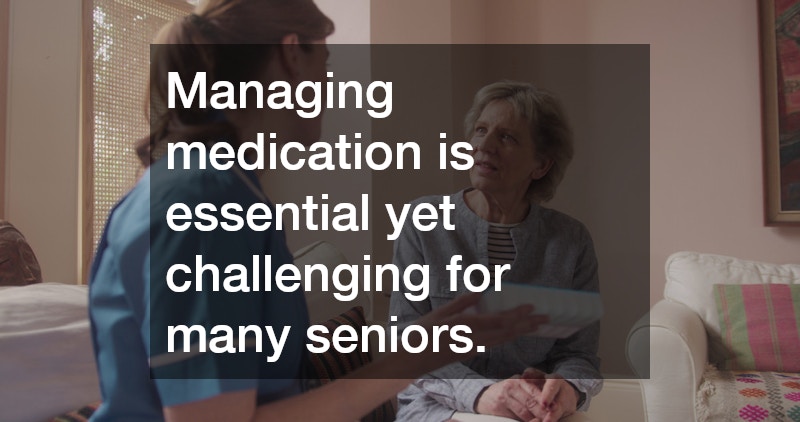
Managing medication is essential yet challenging for many seniors. Forgetting doses or taking incorrect amounts can lead to health issues. Home care providers are trained to assist with medication management, ensuring that prescriptions are taken correctly and on time. This support helps prevent avoidable hospital visits and health issues.
Changes in Social Behavior
Social withdrawal or changes in behavior can be significant indicators that a loved one may benefit from home care. Lack of interest in activities they previously enjoyed might manifest.
What Are the Benefits of Home Care Services?
Individualized and Personal Care
Home care services offer individualized care tailored to the unique needs of each person. Assistance reflects personal lifestyles and preferences, ensuring comfort and familiarity for those receiving care.
Improved Quality of Life
By receiving care in their own home, individuals maintain their routines and daily comforts. This environment reduces the stress associated with relocating. Home care also provides emotional support, enhancing mental health.
Professional Health Monitoring
Professional health monitoring offers peace of mind to families. Skilled providers can detect early warning signs of potential health issues and take preventive measures.
Enhanced Social Interaction
Home care services significantly enhance social interaction, offering companionship, conversation, activities, and outings. Such interactions are vital for emotional well-being, helping combat loneliness and depression.
When Is the Right Time to Consider Home Care?
Post-Hospital Discharge
Post-hospital discharge is a critical period where home care services can be incredibly beneficial. Individuals require additional support as they recover.
After a Recent Diagnosis
Receiving a new diagnosis, especially for chronic conditions, is a point where home care can be crucial. Such diagnoses require changes in lifestyle and daily routine, where professional guidance is valuable.
During Recovery from Surgery
Recovery from surgery demands rest and reduction in strain, tasks that home care can assist with. By taking on household duties, home care allows individuals to focus on recovery.
Upon Noticeable Lifestyle Changes
Significant lifestyle changes, such as moving or losing a spouse, suggest the need for home care services.
What Should You Look for in a Home Care Provider?
Qualifications and Certifications
When choosing a home care provider, it’s crucial to consider their qualifications and certifications. These credentials ensure that providers adhere to the highest standards of care and ethical practices.
Range of Services Offered
Assessing the range of services offered by a home care provider is essential. Comprehensive providers offer services from medical assistance to daily living support.
Client Reviews
Client testimonials and reviews offer insights into the quality of care provided by home care services. Personal experiences shared by clients highlight strengths and weaknesses, guiding families in choosing reputable caregivers.
Compatibility with Your Loved One
Compatibility between your loved one and the caregiver is key to a successful arrangement. An amicable relationship fosters trust and enhances the caregiving experience.
How to Discuss Home Care with a Loved One?
Introducing the Topic Gently
Introducing the topic of home care should be approached with care. Timing is crucial; gentle discussions during a relaxed moment can facilitate open communication.
Highlighting the Benefits
Emphasize improved quality of life, increased safety, and companionship. Share examples of positive experiences with home care, providing evidence of its advantages.
Involving Them in the Process
Involving your loved one in the decision-making process ensures their comfort. Discussing options together fosters a sense of agency.
Addressing Their Concerns
Address concerns about home care services attentively. Provide clear, detailed information about the services and address each concern factually.
Recognizing the signs that a loved one might benefit from home care services is crucial in ensuring their well-being and maintaining their quality of life. Proactively engaging in conversations and seeking professional guidance can foster confidence and compassion during this transition, ultimately prioritizing the needs and comfort of your loved one.