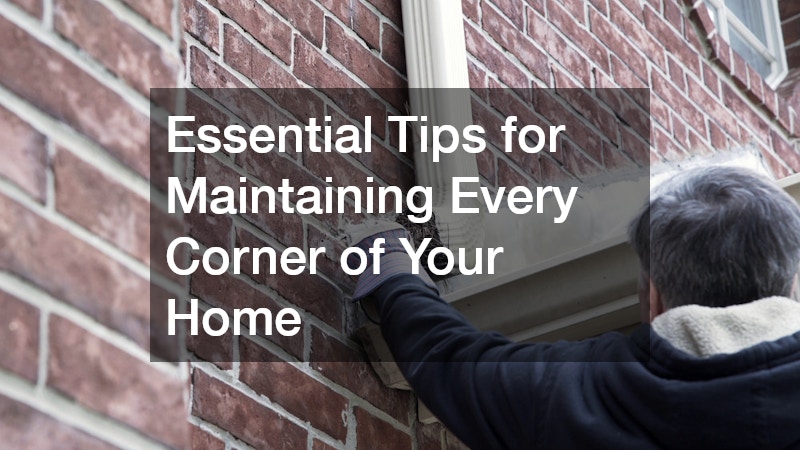
Maintaining a home is far more than occasional cleaning or quick fixes. A house is a complex ecosystem of systems, surfaces, and outdoor spaces, all of which require consistent care to prevent small issues from turning into major problems. By taking a proactive approach to maintenance, you protect your investment, enhance comfort, and ensure your home remains safe and inviting for years to come.
Whether it’s tackling indoor systems, exterior structures, or landscaping, understanding which tasks are essential and when to bring in professional help is key. In this guide, we explore practical strategies for keeping every corner of your home in top shape, offering actionable steps and expert tips for both small and large maintenance tasks.
Inspecting and Maintaining Your Roof
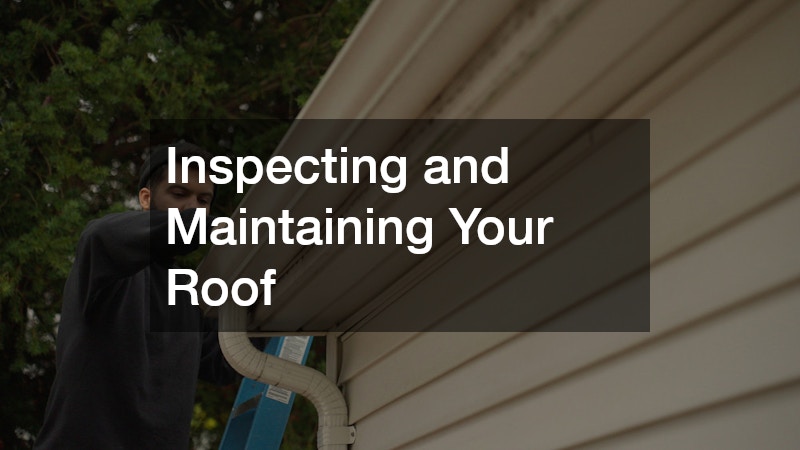
The roof is one of the most critical elements of your home, shielding it from rain, snow, wind, and sun. Regular inspections are essential for spotting issues early. Walk your roof carefully, or use binoculars to identify damaged, curling, or missing shingles. Moss or algae growth can trap moisture and degrade materials over time, so remove it promptly. If you notice major damage or leaks, it’s wise to call a roof repair professional to ensure proper repair and prevent further deterioration.
Tips for Roof Maintenance:
- Inspect after storms or high winds for loose shingles.
- Clear debris from valleys, gutters, and flashing areas.
- Check attic ventilation and insulation to prevent condensation damage.
- Seal minor cracks in flashing or around vents before they worsen.
- Schedule professional roof inspections annually or biannually.
Beyond visual checks, preventive care is crucial. Ensure that your roof’s structure is sound, including rafters and underlayment, and address any sagging areas immediately. Regularly trimming overhanging tree branches reduces the risk of punctures and falling debris. A well-maintained roof not only protects your home but also extends its lifespan and adds value in the long term.
Keeping Your Gutters Clear and Functional
Clogged gutters can lead to significant water damage, including foundation cracks, basement flooding, and rotting siding. Regular gutter cleaning prevents these issues and ensures rainwater flows away from your home efficiently. Remove leaves, dirt, and debris by hand or with a gutter scoop, then flush downspouts with water to confirm proper drainage. Installing gutter guards can reduce debris accumulation and make maintenance easier.
Step-by-step Gutter Care:
- Wear gloves and use a sturdy ladder for safety.
- Remove debris and check for blockages.
- Flush gutters with a hose to ensure water flows freely.
- Inspect for leaks, rust, or sagging sections.
- Repair or replace damaged sections promptly.
Regular inspection also helps identify underlying issues, like loose brackets or uneven slopes, which can impede water flow. Pay attention to areas near trees, as repeated clogs can lead to overflow onto siding or walkways. By combining thorough cleaning with preventative measures, your gutter system will protect your home for years to come.
Caring for Your Heating and Cooling Systems
Your HVAC system is central to both comfort and energy efficiency in your home. Routine maintenance is essential to prevent unexpected breakdowns, reduce energy bills, and ensure the air you and your family breathe remains clean and healthy. One of the simplest yet most effective steps is to replace air filters regularly, typically every one to three months, and to clean vents to remove dust, allergens, and debris that can accumulate over time. Scheduling professional inspections twice a year—once before the hot summer months and again before winter—helps identify potential problems early, ensuring your system operates at peak efficiency throughout the year.
Proper HVAC care goes beyond basic cleaning and inspections. It’s important to keep vents and registers clear of furniture or other obstructions, which allows air to flow freely and prevents strain on the system. Sealing any leaks in ductwork is another key step, as even small gaps can result in significant energy loss and uneven heating or cooling. Monitoring thermostat settings carefully helps balance comfort with energy efficiency, while keeping an eye on refrigerant levels and cleaning coils during seasonal inspections ensures optimal performance. Homeowners with older systems should also consider upgrading to newer, more energy-efficient models, which can improve safety, reliability, and long-term cost savings.
Beyond the mechanics, HVAC maintenance involves attention to the home environment itself. Proper insulation in walls, attics, and crawl spaces reduces the workload on your system, allowing it to maintain temperature more efficiently and extend its lifespan. Monitoring airflow, temperature consistency, and indoor humidity levels helps identify issues before they escalate, contributing to a more comfortable and healthy living space. By adopting a proactive, year-round approach to HVAC care, homeowners can prevent costly repairs, improve energy efficiency, and ensure a safe, comfortable home environment in every season.

Protecting and Repairing Your Plumbing
A functioning plumbing system is vital to a safe, hygienic home. Regular inspections can prevent leaks, water damage, and costly repairs. If you notice slow drains, dripping faucets, or running toilets, call a trusted plumbing company promptly to avoid more serious problems. Routine maintenance also includes flushing water heaters to remove sediment and inspecting pipes for corrosion, which can extend their lifespan significantly.
Plumbing Maintenance Checklist:
- Inspect visible pipes for leaks, corrosion, or unusual noises.
- Avoid pouring grease, oil, or large food particles down drains.
- Test sump pumps regularly to ensure they’re operational.
- Check outdoor irrigation and spigots to prevent winter damage.
- Schedule professional maintenance annually to catch hidden issues.
In addition to repairs, preventive habits are essential. Installing strainers in sinks and drains prevents clogs, and monitoring water pressure helps detect underlying issues early. Taking these steps ensures your plumbing system runs smoothly and minimizes the risk of emergencies that can disrupt your daily life.
Maintaining Floors and Carpets
Floors are both functional and decorative, and keeping them in good condition significantly improves your home’s appearance, hygiene, and overall comfort. While regular vacuuming and sweeping are important, they are not enough to remove deep-seated dirt, allergens, and stubborn stains. Periodically hiring a carpet cleaning service ensures that carpets are thoroughly cleaned, restoring fibers and extending their lifespan. For hardwood, laminate, or other hard flooring, it’s important to use gentle cleaning methods and avoid excess water, which can lead to warping, swelling, or permanent damage.
Preventive care goes beyond regular cleaning. Rotating rugs and rearranging furniture periodically helps prevent uneven wear, especially in high-traffic areas. Using entry mats reduces the amount of dirt and debris tracked into the home, which protects both carpets and hard surfaces. Spills should be cleaned immediately to avoid stains or moisture damage, and applying polish or sealant to hardwood or laminate floors periodically helps maintain their protective layer and enhances durability.
It’s also important to inspect floors regularly for scratches, gaps, or signs of moisture damage, addressing any issues promptly to prevent them from worsening. Placing felt pads under furniture and avoiding high heels or heavy objects on vulnerable surfaces can further extend the life of your floors. With consistent maintenance and thoughtful preventive measures, your floors will remain both attractive and safe, contributing to a healthier indoor environment while preserving the long-term value of your home.
Regular Electrical Safety Checks
Electrical systems can pose serious hazards if not maintained. Regular inspections help identify risks such as overloaded circuits, faulty wiring, or outdated panels. If you notice flickering lights, buzzing outlets, or frequent breaker trips, call a licensed electrician immediately to prevent fires or other emergencies.
Electrical Maintenance Recommendations:
- Avoid overloading outlets and power strips.
- Unplug devices when not in use to save energy and reduce strain.
- Inspect cords for fraying or damage.
- Upgrade older systems to meet modern safety standards.
- Test smoke detectors and GFCI outlets regularly.
Electrical maintenance extends beyond repairs. Planning upgrades during renovations, such as adding circuits or modernizing outlets, improves both safety and convenience. A proactive approach ensures your home’s electrical system supports your needs reliably while minimizing hazards.
Outdoor Space and Landscaping Care
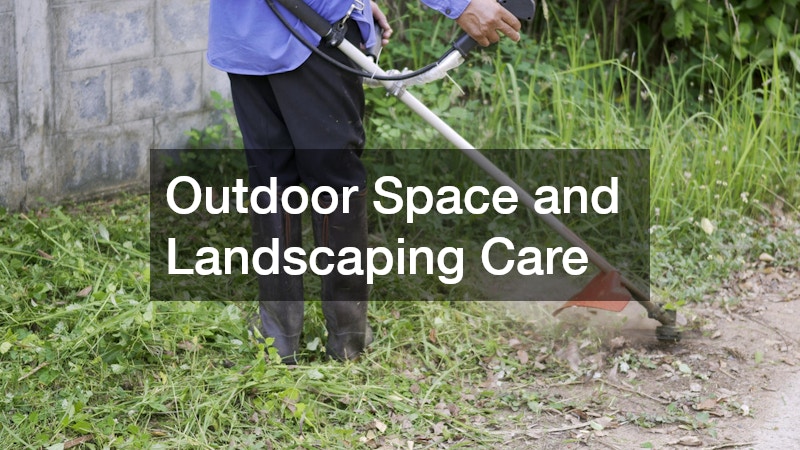
Your yard and garden play a major role in both curb appeal and overall property value, so maintaining them properly is essential. Regular care involves more than just mowing the lawn; it includes trimming bushes, fertilizing plants, and managing soil health to ensure everything grows strong and vibrant. Partnering with a landscaping company can make more complex tasks easier, such as pruning large trees, installing or repairing irrigation systems, and planning seasonal plantings that thrive throughout the year. Even simple practices, like adding mulch to flowerbeds and controlling weeds, can dramatically improve the appearance and functionality of your outdoor spaces.
Consistent watering is another crucial factor for healthy landscaping. Plants should ideally be watered early in the morning to minimize evaporation and allow the soil to absorb moisture efficiently. Pruning trees and shrubs regularly prevents overgrowth that could damage property or block sunlight from other plants. Aerating the lawn annually improves soil structure and promotes deep, healthy roots, which enhances resilience against drought and heavy foot traffic. Inspecting irrigation systems ensures there are no leaks, which can waste water and lead to uneven growth or dry patches.
Well-maintained landscaping does more than just look attractive; it also protects your property. Properly managed yards reduce erosion, provide natural shading that can improve energy efficiency, and create safe, welcoming areas for outdoor gatherings. By combining professional assistance with regular hands-on care, your yard and garden can remain vibrant, healthy, and fully functional throughout every season, adding both beauty and long-term value to your home.
Painting and Surface Upkeep
Painted surfaces protect your home from the elements and provide aesthetic appeal. Over time, paint can chip, peel, or fade, allowing moisture and pests to penetrate surfaces. A professional painting contractor can provide guidance on proper surface preparation, paint types, and long-lasting application techniques. Regular touch-ups prevent small problems from escalating.
Painting Maintenance Tips:
- Inspect exterior paint annually, especially in high-exposure areas.
- Clean surfaces before applying new coats.
- Choose weather-resistant paint for outdoor use.
- Repair cracks, holes, or mildew before repainting.
- Use quality brushes and rollers for uniform application.
Maintaining painted surfaces also involves protecting them from extreme weather. Applying protective coatings and scheduling seasonal inspections can extend the life of paint and preserve both appearance and structural integrity.
Driveways and Paved Surfaces
Paved surfaces like driveways, patios, and walkways endure constant stress from both traffic and weather, which can lead to cracks, potholes, and erosion over time. Regular maintenance is essential to prevent these issues from becoming major repairs. Start by keeping surfaces clean—sweeping away debris, leaves, and dirt prevents water from pooling in cracks and reduces the growth of weeds between pavement joints. Over time, weeds can expand cracks and compromise the integrity of the surface, so removing them promptly is key to maintaining a solid foundation.
In addition to cleaning, sealing your driveway or paved surfaces every two to three years helps protect against water damage, UV degradation, and wear from vehicles. Sealants form a protective layer that prolongs the lifespan of asphalt or concrete, preventing small problems from escalating into costly replacements. Avoid placing heavy loads on areas not designed to bear extra weight, as this can cause stress fractures or depressions.
Periodic inspections are equally important. Look for early signs of damage such as hairline cracks, uneven surfaces, or small depressions, and address them immediately. Consulting an asphalt contractor for professional repairs ensures that any structural issues are properly resolved, keeping the surface safe and durable. Proactive maintenance not only preserves the appearance of your paved areas but also enhances safety by reducing trip hazards, improving drainage, and extending the overall lifespan of your investment.

Septic and Waste Management
Proper care of waste systems is crucial for health and sanitation. Regular septic tank pumping removes solids and prevents backups, protecting both your home and the environment. Routine inspections help identify potential leaks or blockages before they escalate into costly emergencies.
Septic System Best Practices:
- Avoid flushing non-biodegradable items or chemicals.
- Monitor for slow drains or unusual odors.
- Schedule professional pumping every 3–5 years, depending on usage.
- Inspect pipes and tanks for cracks or leaks.
- Educate household members on proper septic system use.
Adopting these practices ensures that your waste management system operates smoothly. Preventing blockages and failures reduces health risks, protects your property, and avoids expensive repairs.
Maintaining a home is an ongoing process that requires attention to every corner, from the roof to the yard. By combining inspections, preventive care, and professional support, you can protect your investment, enhance comfort, and create a safe, functional, and visually appealing living environment. Consistent upkeep ensures your home remains a place of pride and comfort for years to come.