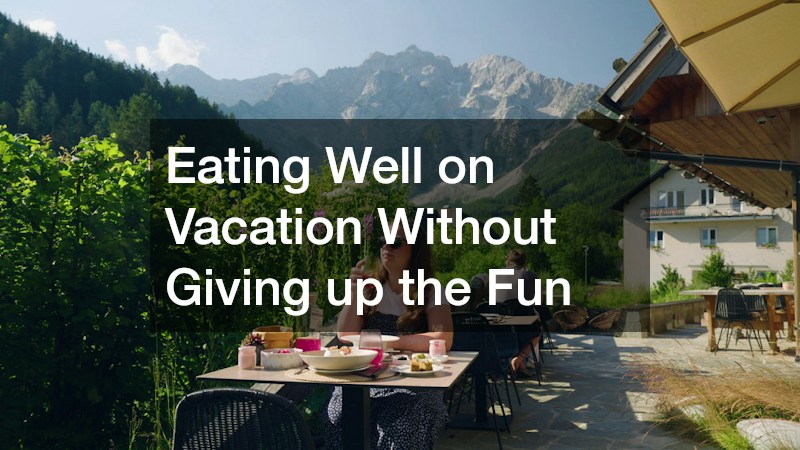
Vacation is supposed to be a break from routines, but for many families that break can leave everyone feeling sluggish, bloated, and ready for a nap instead of an adventure. The good news is that eating well on a trip does not mean skipping desserts or turning down local specialties. With a little planning, you can enjoy the food that makes travel memorable while still giving your body what it needs to keep exploring. This outline walks through practical, real-world strategies for balancing indulgence and nourishment so your whole family comes home feeling good, not just full.
Plan Meals Around Your Daily Itinerary
Before you even pack your bags, take a few minutes to think through what each day of your trip will actually look like. Pull up your itinerary and sort activities into rough energy categories: high-output days (hiking, theme parks, long walking tours), moderate days (museums, shopping, sightseeing by car), and true rest days at the beach or pool. If you know you have a long hike or a full day at a theme park, planning a heartier breakfast — think eggs, oatmeal, or a protein smoothie — paired with a lighter, portable lunch can help keep energy steady without weighing anyone down. On slower days, you can flip that pattern, keeping breakfast simple and saving room for a leisurely, bigger lunch or an early dinner out. It also helps to note where meals will realistically fit around your schedule. A 9 a.m. hike start means breakfast needs to happen by 8, not whenever the hotel buffet opens, so pack a quick backup like fruit or granola bars just in case. Mapping meals to activity level this way prevents the common vacation trap of skipping breakfast, then overeating at dinner because everyone is starving. It also cuts down on the mid-afternoon vending-machine snack runs that add up fast, both in calories and in cash.
This kind of light planning also reduces decision fatigue, which is a real thing when you are juggling tickets, directions, and cranky kids. Studies on choice overload suggest that every extra decision you have to make chips away at your patience and self-control, and vacation days are already packed with dozens of small choices. Deciding “we’ll grab sandwiches near the museum around noon” before you even leave the hotel means one less argument to have when everyone is tired and hot. Building loose meal expectations into your daily plan means less standing around hungry while everyone argues about where to eat. Try matching meals to your itinerary the night before: a quick, grab-and-go breakfast on days with early activities, a sit-down lunch when you have a natural midday lull, and a more relaxed dinner once the day’s main event is done. It also helps to scope out one or two backup options near each stop on your route, especially in unfamiliar cities where a five-minute walk can turn into thirty if you’re wandering without a plan. You don’t need reservations or a rigid schedule, just a general sense of when and where you’ll eat so hunger doesn’t sneak up on you mid-hike or mid-museum-tour. That small bit of foresight keeps blood sugar and moods steady, which honestly matters more than people expect when traveling with kids.
- Check activity levels for each day before deciding on meal timing — a hiking day calls for a different eating schedule than a museum day
- Pack a few portable snacks (trail mix, granola bars, fruit) for high-energy days when stopping for a sit-down meal isn’t practical
- Choose a bigger meal before physically demanding activities, like a hearty breakfast before a full day of sightseeing on foot
- Schedule lighter, quicker bites on days packed with back-to-back activities so no one feels sluggish
- Leave room in the schedule for a relaxed, unhurried dinner, ideally after the day’s main activities wrap up
- Build in a 15-30 minute buffer around meals to avoid rushing kids through food just to get to the next stop
Choose Accommodations With Kitchen Access
One of the simplest ways to eat well without sacrificing fun is booking a room or rental with at least a mini fridge and microwave, if not a full kitchenette. Having a place to store fruit, yogurt, or leftovers means you are not forced into vending machine snacks or expensive room service every time hunger strikes. This is especially helpful for families with young kids who need quick, familiar food on demand.
A kitchen also gives you control over portion sizes and ingredients, which can be hard to manage when eating out for every single meal. Even preparing just breakfast at your rental can free up more budget and appetite for a special lunch or dinner experience later in the day.
- Look for rentals or hotels with a refrigerator at minimum
- Ask about grocery delivery services near your accommodation
- Stock up on breakfast basics on your first day
- Use resealable bags for storing snacks and leftovers
Research Local Dining Options Before You Arrive

Spending fifteen minutes researching food options before your trip can completely change how you eat once you land. Search for some of the best restaurants in the area that focus on fresh, local ingredients, since these spots often naturally offer more balanced options than tourist-trap chains. Reading reviews ahead of time also helps you find places with vegetable-forward dishes or lighter fare mixed in with indulgent regional specialties.
It helps to make a short list rather than an exhaustive one, so you are not overwhelmed with choices once you are tired and hungry mid-trip. Save a few options in a notes app or map so the whole family can glance at them without a long debate at every mealtime.
- Search reviews for mentions of fresh or local ingredients
- Save three or four options per day rather than researching every meal
- Look for menus posted online to plan ahead
- Ask locals or hotel staff for their personal favorites
Balance Indulgent Meals With Lighter Choices
Nobody wants to feel guilty over trying a famous regional dish or a decadent dessert while traveling, and they should not have to. The trick is balance, not restriction, meaning if lunch was rich and heavy, dinner can lean lighter with grilled proteins, salads, or simple seafood. This approach lets you enjoy the food memories that make a destination special without feeling sluggish for the rest of the trip.
Splitting larger portions between family members is another easy way to sample more without overeating. It also gives everyone a chance to try different dishes, which often makes mealtime more fun and interactive anyway.
- Alternate between heavier and lighter meals throughout the day
- Share entrees or desserts instead of ordering separate full portions
- Choose one indulgent meal per day rather than three
- Add a side salad or vegetable dish to round out richer meals
Stay Hydrated and Manage Snacking on the Go
Dehydration is easy to overlook on vacation, especially in hot climates or when you are drinking more soda, coffee, or alcohol than usual. Carrying a reusable water bottle and refilling it throughout the day helps curb unnecessary snacking that is sometimes just thirst in disguise. This is particularly important for kids, who may not recognize or communicate thirst clearly when they are distracted by excitement.
Smart snacking can also prevent the blood sugar crashes that lead to cranky kids and impulsive food decisions later in the day. Keeping a small stash of filling, portable snacks on hand means nobody is stuck grabbing the first sugary option they see out of desperation.
- Carry a refillable water bottle for every family member
- Pack protein-rich snacks like nuts, jerky, or cheese sticks
- Set casual reminders to drink water during long outings
- Limit sugary drinks to special treats rather than daily habits
Eating well on vacation is not about strict rules or missing out on the experiences that make travel special. It is about small, intentional choices that keep your energy up so you can actually enjoy everything you planned for. Start with just one or two of these strategies on your next trip, whether that is booking a rental with a kitchen or researching meal options in advance, and build from there. Your future self, and your travel companions, will thank you for it.