Maintaining good health involves more than visiting a doctor when you’re sick. Preventive care, routine screenings, early treatment, and specialized services all play important roles in protecting your physical and emotional well-being. Understanding your healthcare options can help you make informed decisions and recognize when professional support is necessary.
Healthcare needs change throughout life. Children may need developmental assessments, adults often focus on preventive screenings and managing stress, and older individuals may require additional assistance maintaining independence. Access to appropriate healthcare professionals makes navigating these changes easier.
Taking an active role in your health starts with recognizing warning signs, understanding available services, and building relationships with trusted providers. The following ten healthcare services can help prevent illness, manage medical conditions, support recovery, and improve your overall quality of life.
Schedule Routine Checkups to Catch Health Concerns Early

Regular medical appointments help identify potential health problems before they become serious. Even when you’re feeling healthy, routine examinations provide opportunities to monitor important health indicators, discuss lifestyle habits, and address concerns that might otherwise go unnoticed.
Establishing a relationship with a primary care provider also creates continuity in your medical history, making it easier to recognize changes and recommend appropriate preventive services.
During routine appointments, consider discussing:
- Blood pressure: Regular monitoring can identify hypertension, which often develops without noticeable symptoms.
- Cholesterol and blood sugar: Testing can help evaluate cardiovascular and diabetes risks.
- Family medical history: Sharing hereditary health concerns can guide screening recommendations.
- Medications: Reviewing prescriptions and supplements helps identify potential interactions.
- Preventive screenings: Ask which examinations and vaccinations are recommended for your age and health history.
When comparing local doctor offices, consider insurance acceptance, appointment availability, communication preferences, and available services.
Preparing questions beforehand can help you make better use of your appointment. Consistent preventive care supports early detection, chronic disease management, and informed healthcare decisions.
Know Where to Go When Unexpected Illnesses or Minor Injuries Occur
Unexpected illnesses and injuries don’t always happen during regular office hours. Knowing where to seek treatment can prevent unnecessary delays and help you avoid emergency department visits for non-life-threatening conditions.
Walk-in medical facilities commonly treat illnesses and minor injuries requiring prompt attention without hospital-level emergency services.
Common reasons to seek this type of care include:
- Minor injuries: Mild sprains, small cuts, and uncomplicated strains may require evaluation.
- Respiratory symptoms: Persistent sore throats, coughs, and certain infections may need assessment.
- Ear infections: Ear pain, pressure, and suspected infections can often be evaluated promptly.
- Urinary symptoms: Burning or frequent urination may indicate an infection requiring testing.
- Skin concerns: Mild rashes, insect bites, and localized irritation may benefit from professional evaluation.
Researching local urgent care options before treatment is needed can help you identify operating hours, accepted insurance plans, and available services.
However, severe chest pain, difficulty breathing, stroke symptoms, or uncontrolled bleeding require emergency medical attention.
Understanding the difference between routine, urgent, and emergency care helps ensure you receive appropriate treatment when unexpected health concerns arise.
Protect Your Oral Health With Regular Exams and Preventive Dental Care
Healthy teeth and gums contribute to comfortable eating, clear speech, and overall quality of life. Dental problems can develop gradually, sometimes without obvious symptoms until more extensive treatment becomes necessary.
Routine examinations allow dental professionals to identify cavities, gum inflammation, and other concerns. Professional cleanings also remove hardened plaque that regular brushing cannot eliminate.
Maintaining good oral hygiene involves several important habits:
- Brush consistently: Clean your teeth twice daily using fluoride toothpaste and a soft-bristled toothbrush.
- Clean between teeth: Use floss or recommended interdental cleaning tools daily.
- Limit sugar: Reduce frequent sugary snacks and beverages that contribute to tooth decay.
- Monitor changes: Report persistent sensitivity, bleeding gums, mouth sores, or discomfort.
- Schedule examinations: Follow your dentist’s recommendations based on individual oral health needs.
Choosing a local dental office that emphasizes preventive care can make maintaining regular appointments easier.
Ask about available services, treatment costs, insurance coverage, and recommended cleaning schedules.
Taking preventive dental care seriously helps preserve natural teeth, reduce discomfort, and lower the likelihood of needing more complicated procedures.
Help Older Adults Maintain Independence With Personalized Daily Support
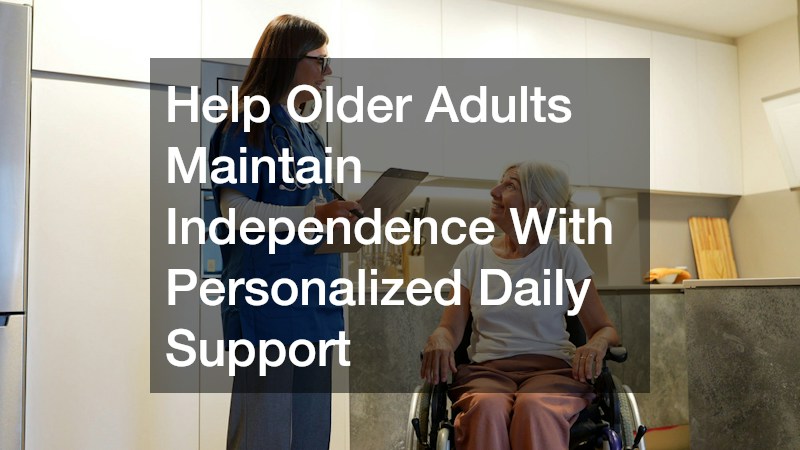
Aging can bring changes in mobility, strength, memory, and the ability to complete everyday activities. While many older adults prefer remaining in familiar surroundings, certain responsibilities may become difficult without assistance.
Supportive care helps individuals maintain routines while receiving assistance with activities affecting comfort, safety, and independence.
Common types of assistance include:
- Personal care: Help with bathing, dressing, grooming, and daily hygiene.
- Meal preparation: Assistance planning and preparing nutritious meals.
- Household responsibilities: Support with light cleaning, laundry, and organization.
- Transportation: Help getting to appointments, shopping trips, and community activities.
- Companionship: Social interaction that may reduce loneliness and isolation.
Families considering local senior in home care should evaluate the individual’s needs, preferences, and existing support system.
Ask providers about caregiver qualifications, background checks, scheduling flexibility, supervision, and emergency procedures.
It’s also important to distinguish nonmedical assistance from skilled nursing or medical treatment, which requires qualified professionals.
Personalized support can help older adults remain comfortable at home while reducing responsibilities placed on family caregivers.
Restore Strength and Mobility With a Personalized Rehabilitation Plan
Injuries, surgery, chronic pain, and certain medical conditions can interfere with movement and everyday activities. Difficulty walking, climbing stairs, or maintaining balance can affect independence and quality of life.
Rehabilitation focuses on improving physical function through individualized exercises, movement training, and education. Treatment plans reflect the patient’s condition, current abilities, and recovery goals.
Common rehabilitation approaches include:
- Strengthening exercises: Build muscle strength needed for movement and joint support.
- Flexibility training: Improve range of motion and reduce movement restrictions.
- Balance exercises: Support stability and help reduce fall risks.
- Movement education: Teach safer techniques for lifting, walking, and daily activities.
- Home exercises: Reinforce progress between supervised appointments.
Many physical therapy clinics provide treatment for orthopedic injuries, postoperative recovery, neurological conditions, and mobility limitations.
Before beginning rehabilitation, discuss persistent symptoms with a healthcare professional. During treatment, communicate openly about pain, fatigue, or changes in your condition.
Following recommended exercises consistently can support progress, although recovery timelines vary.
A personalized rehabilitation program helps individuals regain confidence in their movement and return to meaningful daily activities.
Improve Everyday Functioning With Practical Skills and Adaptive Strategies
Everyday activities such as dressing, cooking, bathing, and completing household responsibilities require physical, cognitive, and sensory abilities. Injuries, disabilities, developmental conditions, and age-related changes can make these tasks challenging.
Occupational therapy helps individuals participate more independently in meaningful activities. Treatment considers how personal abilities interact with everyday environments.
Helpful interventions may include:
- Adaptive equipment: Specialized utensils, dressing aids, and bathroom safety devices simplify daily tasks.
- Fine motor exercises: Activities improve hand coordination and precision.
- Energy conservation: Practical strategies help individuals manage fatigue.
- Environmental modifications: Adjustments to furniture, storage, or workspaces improve accessibility.
- Task-specific training: Practicing meaningful activities develops safer, more effective techniques.
Consulting local occupational therapists may be beneficial when illness, injury, or developmental concerns interfere with everyday functioning.
Before an evaluation, identify activities that have become difficult and explain which improvements matter most.
Individualized treatment helps people build practical skills, adapt their environments, and maintain greater independence at home, school, or work.
Strengthen Emotional Well-Being Through Professional Mental Health Support
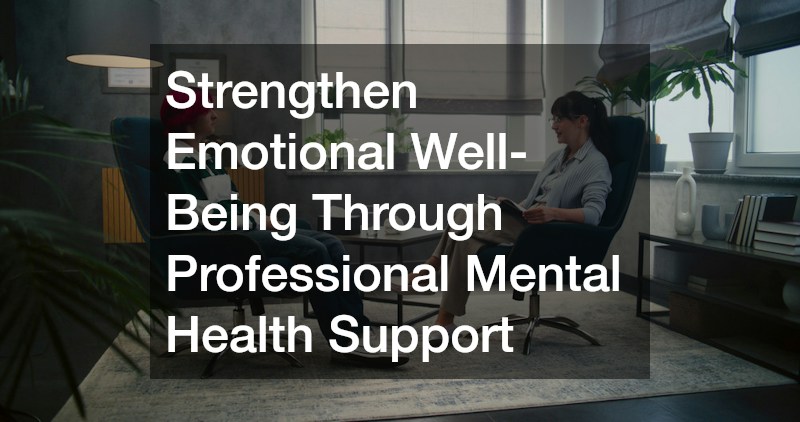
Mental and emotional health influence relationships, concentration, sleep, physical wellness, and everyday responsibilities. While occasional stress and sadness are normal, persistent emotional difficulties can interfere with quality of life.
Professional counseling provides a supportive environment for exploring challenges, developing coping strategies, and improving emotional awareness.
People may benefit from counseling when experiencing:
- Ongoing anxiety: Excessive worry, nervousness, or difficulty managing anxious thoughts.
- Depression symptoms: Prolonged sadness, reduced motivation, or loss of interest in activities.
- Major life changes: Divorce, relocation, job transitions, or family changes.
- Grief and loss: Difficulty processing the emotional impact of losing someone important.
- Relationship challenges: Communication difficulties, recurring conflicts, or boundary concerns.
Finding a local therapist who understands your concerns and uses an appropriate treatment approach can make counseling more effective.
Ask about credentials, experience, appointment availability, insurance coverage, and virtual sessions.
Building trust may take time, and it’s reasonable to discuss whether the relationship feels productive.
Seeking emotional support helps individuals develop healthier coping skills and improve their ability to navigate life’s challenges.
Recognize Circulation Problems and Seek Specialized Vascular Care
Healthy blood circulation delivers oxygen and nutrients throughout the body. When arteries or veins become damaged or function improperly, individuals may experience discomfort, swelling, skin changes, or other complications.
Vascular conditions can develop gradually, making it important to recognize symptoms and discuss persistent concerns with a healthcare professional.
Potential warning signs include:
- Leg discomfort: Pain or cramping during walking that improves with rest may indicate circulation problems.
- Persistent swelling: Ongoing swelling in the legs or ankles deserves evaluation.
- Skin changes: Unusual discoloration or changes in texture may signal underlying concerns.
- Slow-healing wounds: Sores that don’t heal normally require attention.
- Visible vein changes: Enlarged or uncomfortable veins may benefit from assessment.
A local vascular surgeon can evaluate blood vessel conditions using examinations and diagnostic testing, including vascular ultrasound.
Treatment may involve lifestyle changes, medication, minimally invasive procedures, or surgery, depending on the diagnosis.
Sudden severe limb pain, coldness, or loss of sensation requires emergency evaluation.
Managing blood pressure, diabetes, cholesterol, and tobacco exposure can also help reduce certain vascular risks.
Improve Dental Alignment and Bite Function With Appropriate Treatment
Proper dental alignment affects more than your smile’s appearance. Crowded teeth, excessive spacing, and bite irregularities can sometimes interfere with chewing, oral hygiene, and dental comfort.
Orthodontic evaluations identify alignment concerns and determine whether treatment may improve function or address specific dental problems.
Several factors matter when considering treatment:
- Treatment options: Traditional braces and clear aligners offer different advantages depending on the case.
- Age considerations: Children, teenagers, and adults may benefit from evaluations based on individual needs.
- Treatment duration: Timelines depend on alignment concerns and the recommended approach.
- Oral hygiene: Careful brushing and cleaning between teeth remain essential throughout treatment.
- Retention: Following retainer instructions helps maintain results after active treatment.
When researching local orthodontic services, compare provider qualifications, treatment approaches, scheduling requirements, and payment options.
Parents can ask their child’s dentist about appropriate evaluation timing. The American Association of Orthodontists recommends an initial orthodontic checkup by age seven.
Understanding the treatment process and maintaining regular appointments can help patients achieve improved alignment and long-term results.
Monitor Heart Health and Manage Cardiovascular Risk Factors

Heart health plays a major role in overall wellness, yet cardiovascular conditions can develop without obvious symptoms. High blood pressure, elevated cholesterol, diabetes, smoking, and hereditary factors can increase the likelihood of heart-related problems.
Understanding personal risk factors and maintaining preventive care helps individuals make informed cardiovascular health decisions.
Important heart-health practices include:
- Monitor blood pressure: Follow recommended screening schedules and discuss elevated readings.
- Manage cholesterol: Ask about testing based on age, medical history, and risk factors.
- Stay physically active: Choose activities suited to your health and abilities.
- Maintain balanced nutrition: Emphasize vegetables, fruits, whole grains, and other heart-supportive foods.
- Avoid tobacco: Smoking cessation can significantly reduce cardiovascular risks.
When specialized evaluation is needed, local cardiologists can assess symptoms, review risk factors, and recommend diagnostic testing.
Depending on the circumstances, testing may include electrocardiograms, echocardiograms, or stress tests.
Unexplained shortness of breath, recurring palpitations, or reduced exercise tolerance should be discussed with a healthcare professional.
Severe chest discomfort or symptoms suggesting a heart attack require immediate emergency medical attention.
Take an Active Role in Your Long-Term Health
Maintaining good health requires ongoing attention to preventive care, timely treatment, and everyday habits that influence physical and emotional well-being. Understanding available healthcare services helps you recognize when professional assistance may be beneficial and make informed decisions about your care.
Establishing relationships with trusted providers is an important first step. Regular appointments, recommended screenings, and open communication can identify potential concerns while supporting existing conditions.
It’s equally important to recognize changes in your body, pay attention to persistent symptoms, and seek appropriate guidance rather than delaying treatment. Healthy habits, including balanced nutrition, regular physical activity, sufficient sleep, and effective stress management, also contribute to long-term wellness.
Taking a proactive approach doesn’t mean managing everything alone. Using appropriate healthcare resources and asking questions when concerns arise can help you feel more confident about your decisions.
By prioritizing preventive care and seeking support when needed, you can maintain greater independence, improve your quality of life, and work toward lasting health and well-being.