The postpartum period is often described in terms of physical recovery, but for many people, the deeper challenge lies in reconnecting with a sense of identity. Your body has changed, your routines have shifted, and your priorities may feel completely rearranged. It’s common to look in the mirror—or at your life—and feel like you’re not quite yourself anymore.
That feeling doesn’t mean you’re lost. It means you’re in transition.
Healing after childbirth is not a straight line, and it doesn’t come with a universal timeline. Some days you may feel grounded and capable, while others feel disorienting or overwhelming. The key is not to rush back to who you were before, but to gently rediscover who you are now.
This process doesn’t require grand gestures or dramatic reinvention. Instead, it’s built on small, meaningful steps that help you feel more connected, more capable, and more like yourself again. The following strategies are designed to support that journey—practically, emotionally, and sustainably.
Reconnect With Your Body Through Gentle, Targeted Movement
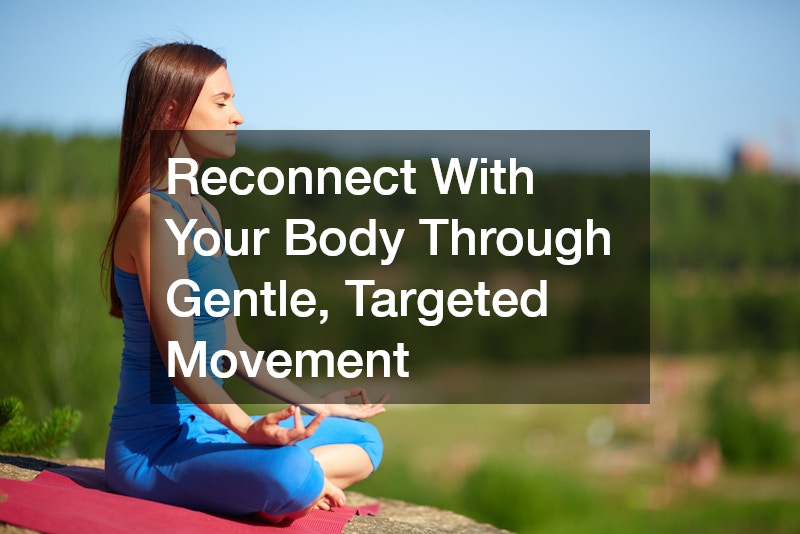
Recovering physically after childbirth is one of the most important—and often overlooked—steps in feeling like yourself again. Your body has done something extraordinary, but it also needs time and care to rebuild strength, stability, and confidence.
One of the most effective ways to begin is through pelvic floor therapy. This specialized approach focuses on restoring the muscles that support your core, bladder, and overall stability. When these muscles are weak or strained, it can affect everything from posture to energy levels to how comfortable you feel moving through your day.
Working with a trained professional can help you:
- Identify areas of weakness or imbalance
- Learn exercises tailored specifically to your recovery stage
- Prevent long-term complications like pain or incontinence
- Rebuild trust in your body’s capabilities
In addition to guided therapy, you can start incorporating gentle movement into your daily routine:
- Short walks, even 10–15 minutes, to improve circulation and mood
- Breathing exercises that engage your core safely
- Light stretching to release tension in your back, shoulders, and hips
The goal isn’t to “bounce back”—it’s to feel steady and supported in your own body again. Progress may feel slow, but every small improvement builds confidence and comfort.
Create Small Daily Rituals That Are Just for You
When your schedule revolves around a newborn, it’s easy to lose sight of personal time. But reclaiming even a few minutes each day for yourself can make a significant difference in how you feel.
Daily rituals don’t need to be elaborate or time-consuming. What matters is consistency and intention. These moments act as anchors—reminding you that you exist outside of your responsibilities.
Consider simple practices like:
- Drinking your morning coffee or tea without distractions
- Writing a few thoughts in a journal
- Listening to music or a podcast you enjoy
- Stepping outside for fresh air and a mental reset
To make these rituals sustainable:
- Keep them short (5–15 minutes is enough)
- Attach them to an existing routine (after feeding, before bed, etc.)
- Communicate your need for this time with your support system
Let go of the idea that self-care has to be earned. You don’t need to complete a checklist before you’re allowed a moment to yourself. These small rituals are not indulgent—they’re essential for maintaining a sense of identity and emotional balance.
Redesign Your Space to Support Ease and Independence
Your environment plays a powerful role in how you feel day to day. When your space is cluttered, inefficient, or physically demanding, it can increase stress and make recovery more difficult.
Making thoughtful adjustments to your home can help you move through your day with greater ease and confidence. This is especially important when your body is still healing and energy levels are unpredictable.
Start by evaluating how your current setup supports—or hinders—your routine. For example:
- Are frequently used items easy to reach?
- Do you have to bend, twist, or strain unnecessarily?
- Is your space calming or overwhelming?
Incorporating practical solutions like accessible cribs and thoughtfully arranged baby furniture can reduce physical strain and make caregiving tasks smoother. These changes may seem small, but they can significantly improve your daily experience.
Additional ways to optimize your space:
- Create designated stations for feeding, changing, and resting
- Keep essentials stocked and within arm’s reach
- Use soft lighting and calming colors to create a peaceful atmosphere
- Minimize clutter to reduce mental overwhelm
A supportive environment doesn’t just make tasks easier—it helps you feel more in control and less fatigued, which is key to reconnecting with yourself.
Invest in Support That Helps You Feel Strong Again

As your recovery progresses, you may start thinking about rebuilding strength and endurance. While it’s important to move at your own pace, having guidance can make this process more effective and empowering.
Working with a personal trainer who understands postpartum recovery can help you transition safely into more structured exercise. This kind of support ensures that you’re strengthening your body without risking injury or setbacks.
Benefits of professional guidance include:
- Customized workout plans based on your current abilities
- Proper form and technique to protect healing muscles
- Gradual progression that builds confidence
- Accountability and motivation
Beyond the physical benefits, exercise can also:
- Boost your mood through endorphin release
- Improve energy levels and sleep quality
- Help you feel more connected to your body
If working with a trainer isn’t accessible, you can still build a supportive routine by:
- Following postpartum-specific workout programs
- Starting with low-impact activities like yoga or pilates
- Setting realistic, flexible goals
The key is to approach movement as a way to support yourself—not as a way to meet external expectations.
Refresh Your Appearance in Low-Pressure, Feel-Good Ways
Sometimes, feeling like yourself again starts with small changes. Taking time to care for your appearance can have a surprisingly powerful impact on your mood and confidence.
This doesn’t mean overhauling your look or striving for perfection. Instead, focus on simple, enjoyable ways to feel refreshed.
Visiting salons or scheduling appointments with nail techs can provide a sense of normalcy and a break from routine. These experiences are not just about appearance—they’re about taking time to focus on yourself in a positive, low-pressure environment.
If leaving home feels difficult, consider at-home alternatives:
- A quick skincare routine that makes you feel refreshed
- Styling your hair in a way that feels manageable and comfortable
- Wearing clothes that fit your current body and make you feel good
Helpful tips:
- Keep expectations realistic—this is about feeling better, not looking perfect
- Choose low-maintenance options that fit your lifestyle
- Treat these moments as opportunities to relax, not tasks to complete
Even small changes can help you feel more put-together and more like yourself.
Explore Relaxation Techniques That Truly Recharge You
Rest is essential during postpartum recovery, but not all rest is created equal. Scrolling on your phone or passively watching TV may not provide the kind of deep relaxation your body and mind need.
Intentional relaxation helps you reset, recharge, and manage stress more effectively.
For some, visiting a day spa offers a structured way to fully unwind. Whether it’s a massage, facial, or simply a quiet environment, these experiences can provide a deeper level of restoration.
At home, you can create similar moments:
- Take a warm bath or shower with calming scents
- Practice guided meditation or deep breathing exercises
- Use heat packs or gentle stretching to release tension
You might also try:
- Setting aside a short “quiet time” each day
- Listening to calming music or nature sounds
- Reducing sensory input (dim lights, limit noise)
The goal is to give your mind and body a break from constant stimulation. Even brief periods of intentional relaxation can improve your overall well-being and help you feel more grounded.
Give Yourself Permission to Heal at Your Own Pace
One of the most challenging aspects of postpartum recovery is navigating expectations—both internal and external. There’s often pressure to return to your pre-pregnancy body or routine quickly, which can create unnecessary stress.
It’s important to remember that healing is personal, and there is no universal timeline.
You may come across conversations about mommy makeovers or other procedures that promise quick results. While these options exist, they should never feel like a requirement or a measure of success.
Instead, focus on:
- Listening to your body’s signals
- Making decisions based on your comfort and readiness
- Prioritizing long-term health over short-term changes
Reframing your mindset can help:
- Replace “I should be further along” with “I’m making progress”
- Celebrate small milestones instead of waiting for big transformations
- Recognize that your body has accomplished something significant
Your recovery is not a race. Giving yourself permission to move at your own pace can reduce stress and help you feel more at peace with the process.
Build a Support System That Understands Your Journey
Feeling like yourself again often requires connection—not just with your own identity, but with others who understand what you’re going through.
Every postpartum experience is different, and that includes families formed through adoption. No matter your path, having a supportive community can make a significant difference.
Consider building your support system through:
- Friends and family who can offer practical help or emotional support
- Parenting groups where you can share experiences and advice
- Online communities that provide flexibility and accessibility
When seeking support:
- Look for spaces that feel inclusive and non-judgmental
- Be open about your needs, even if it feels uncomfortable
- Remember that it’s okay to ask for help
You don’t have to navigate this period alone. Feeling understood and supported can help you regain confidence and a sense of belonging.
Revisit and Reimagine Your Birth Experience
Your birth experience can have a lasting emotional impact, whether it went according to plan or not. Taking time to process it can be an important step in your healing journey.
If you gave birth at a local birth center or another setting, reflecting on that environment and experience can help you make sense of your feelings.
You might consider:
- Writing out your birth story in detail
- Talking through your experience with a trusted person
- Identifying moments that felt empowering or challenging
This process isn’t about judging yourself or comparing your experience to others. It’s about understanding your story and giving yourself space to process it fully.
Reflection can help you:
- Gain clarity and closure
- Recognize your strength and resilience
- Move forward with a greater sense of peace
Your experience is valid, and it deserves to be acknowledged.
Reclaim Your Identity Through Interests and Passions

One of the most effective ways to feel like yourself again is to reconnect with the things that bring you joy. While your time and energy may be limited, even small steps toward your interests can make a big difference.
Start by identifying activities you enjoyed before—or new ones you’re curious about:
- Reading, writing, or creative hobbies
- Physical activities that feel good
- Learning something new or revisiting an old skill
To make this realistic:
- Break activities into small, manageable chunks
- Schedule short sessions instead of waiting for large blocks of time
- Be flexible and forgiving if plans change
It’s also helpful to:
- Involve your baby when possible (walks, music, etc.)
- Ask for help to create time for yourself
- Focus on enjoyment rather than productivity
Reconnecting with your passions doesn’t mean going back to who you were—it means expanding who you are now.
Feeling like yourself again after postpartum is not about returning to a previous version of your life. It’s about rediscovering your identity in a way that reflects everything you’ve experienced and everything you’ve become.
This process takes time, patience, and self-compassion. There will be moments of clarity and confidence, as well as moments of doubt and frustration. Both are part of the journey.
By focusing on small, intentional steps—caring for your body, creating space for yourself, and seeking support—you can gradually rebuild a sense of familiarity and confidence. You’re not starting over; you’re evolving.
And with each step forward, no matter how small, you’re getting closer to feeling like yourself again.