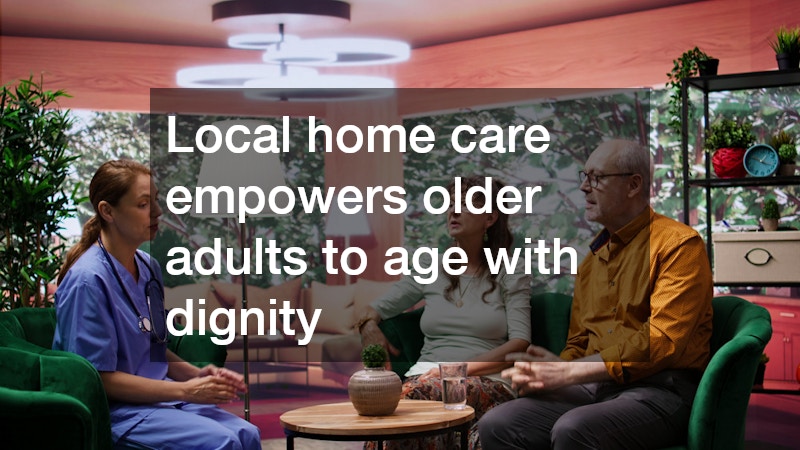
As our parents and grandparents age, families are often faced with an important and emotional decision: how to ensure their loved ones receive the support they need while maintaining dignity and independence. While assisted living facilities and nursing homes are viable options in some cases, many families are discovering that local home care provides a more personalized, flexible, and compassionate solution. By allowing seniors to remain in the comfort of their own homes while receiving professional support, local services offer benefits that extend beyond basic caregiving.
Choosing the right care model can significantly impact a senior’s physical health, emotional well-being, and overall quality of life. For many families, local home care stands out as the best choice because it blends professional assistance with the familiarity of home and community.
Personalized Care Tailored to Individual Needs
One of the primary reasons families prefer local home care is the ability to receive customized, one-on-one attention. In larger care facilities, staff members are often responsible for multiple residents at once, which can limit individualized interaction. In contrast, in-home caregivers focus solely on one client at a time during their scheduled visits.
This personalized approach allows care plans to be tailored specifically to the senior’s needs. Whether your loved one requires help with daily activities such as bathing, dressing, meal preparation, medication reminders, or mobility assistance, services can be adjusted as circumstances change. Seniors with chronic illnesses, mobility limitations, or early stages of cognitive decline can receive consistent, attentive care designed around their routines.
Moreover, caregivers often develop meaningful relationships with the individuals they serve. Over time, this trust fosters emotional security and companionship—an often overlooked but vital aspect of aging well. Rather than adapting to a facility’s schedule, seniors can maintain their own rhythms and preferences while receiving professional support.
Comfort, Familiarity, and Emotional Well-Being
Home is more than just a place—it is a repository of memories, comfort, and identity. For seniors, remaining in a familiar environment can reduce anxiety and confusion, particularly for those experiencing memory-related conditions. Local home care allows older adults to continue living in surroundings they know and love, surrounded by cherished possessions and neighborhood connections.
Maintaining this sense of normalcy can significantly benefit mental and emotional health. Relocating to a new environment can be disorienting and stressful, sometimes leading to feelings of isolation or depression. In contrast, staying at home encourages independence and preserves routines that contribute to stability.
Additionally, local home care makes it easier for family members to stay involved. Loved ones can visit freely without strict facility visiting hours and remain active participants in the caregiving process. This collaborative approach ensures that seniors feel supported by both professionals and family.
Being cared for within their own community also helps seniors remain socially connected. Familiar neighbors, local places of worship, and community centers continue to be accessible, allowing older adults to maintain relationships and activities that enrich their lives.
Flexibility, Affordability, and Community Connection
Another significant advantage of local home care is flexibility. Care can be arranged for just a few hours per week, daily visits, or around-the-clock support, depending on the level of need. This adaptability means families only pay for the services required rather than committing to comprehensive residential fees.
For many families, in-home care can be a more cost-effective alternative to full-time residential facilities. Because services are customized, resources are allocated efficiently. As needs evolve, care plans can be modified without the stress of relocating or transitioning to a different type of facility.
Working with providers rooted in the community also brings unique benefits. Local home care agencies are often deeply familiar with area resources, healthcare providers, and support networks. This local knowledge allows them to coordinate effectively with physicians, therapists, and social services, creating a well-rounded care experience.
Furthermore, caregivers who live and work in the same community may share cultural values and understand regional customs, which can foster greater comfort and trust. Seniors are not just clients—they are neighbors. This sense of shared community strengthens the overall caregiving experience and promotes a more compassionate approach.
Families also gain peace of mind knowing that help is nearby. Should schedules change or additional assistance be required, a locally based team can respond more quickly and efficiently than larger, distant organizations.
Deciding how to care for an aging loved one is never simple, but thoughtful consideration of options can lead to a solution that honors both safety and independence. Local home care offers a unique balance of professional support and personal freedom, enabling seniors to remain in the comfort of their own homes while receiving tailored assistance.
With its emphasis on individualized care, emotional well-being, flexibility, and strong community ties, local home care empowers older adults to age with dignity. For families seeking a compassionate, practical alternative to institutional settings, in-home services often prove to be the most supportive and reassuring choice. By prioritizing familiarity, connection, and personalized attention, this approach ensures that seniors not only receive the help they need but continue to thrive in the place they call home.